


SHINTARO KONO'S
LEISURE RESEARCH LAB
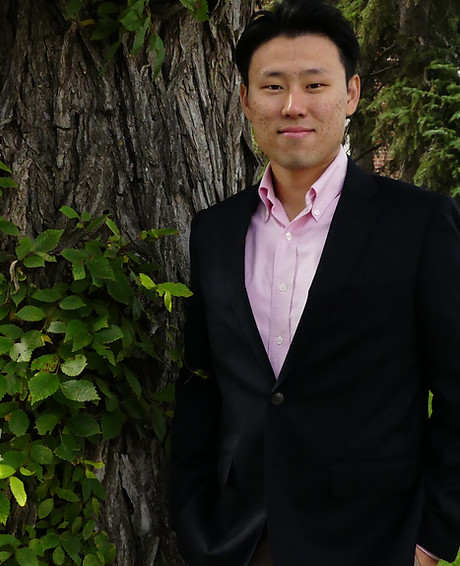
SHINTARO'S BIO
I’m an Associate Professor at the University of Alberta, Canada. I am passionate about studying and teaching leisure. Research suggests that leisure is the life domain that can make our lives worth living. Yet, many of us do not know how to make most out of it. And that's the knowledge that I would like to produce and teach.
I am originally from Japan. My leisure interests involve both active (e.g., badminton, golf) and cultural (e.g., trying new food, gaming) activities.
RESEARCH
Exploring one of the most understudied aspects of our life.
Shintaro's research aims to understand how people experience leisure, and more importantly why they live a leisure life that they have. This involves studying what constrains or motivates people's leisure experience, what outcomes people derive from their leisure, and how different and similar people's leisure experience is across different cultures.


CO-CREATING A HOLISTIC WELL-BEING SUPPORT APP WITH RUAL IMMIGRANT YOUTHS IN ALBERTA
Funded by the Canada's First Research Excellence Fund (CFREF) project called the Bridging Divides, we work with a community of immigrant youths, supporting professionals, and researchers to co-create an app to support holistic well-being for immigrant youths living in rural Alberta. Using a community-based participatory research design (CBPR), we listen to unique challenges immigrant youths in rural communities face and work together to generate creative solutions for their well-being support. Learn more on the Toronto Metropolitan University website.
WELL-BEING APP FOR RURAL IMMIGRANT YOUTH IN ALBERTA


APP-BASED LEISURE EDUCATION (ABLE)
Funded by Social Sciences and Humanities Research Council (SSHRC), we co-create a leisure education app with a community of university students with equity-denied backgrounds (e.g., BIPOC, 2SLGBTQIA+, Living with Disabilities) and university. The app and associated intervention is to enhance the mental health and well-being of diverse students.
APP-BASED LEISURE EDUCATION (ABLE)


ONLINE SPORT GAMBLING
Funded by the Alberta Gambling Research Institute (AGRI), we have conducted high-quality surveys about online sport gambling, especially single-event betting, mental health and well-being, problematic and responsive gambling behaviours, and various psychosocial predictors with student and general populations in Alberta and Western Canada, respectively. In particular, the survey with gamblers in West Canada is a 3-wave longitudinal design.
ONLINE SPORT GAMBLING


LEISURE'S ROLES IN POST-DISASTER PSYCHOSOCIAL RECOVERIES OF OLDER ADULTS
Funded by the Worldwide Universities Network (WUN), the international research team from Japan, Taiwan, South Africa, and Canada explores how natural disasters affect the mental health of older survivors, and what key roles leisure plays in supporting their psychosocial recovery journeys. It involves over 55 in-depth interviews with survivors and community supporters.
LEISURE IN POST-DISASTER RECOVERIES OF OLDER ADULTS
RECENT BLOG POSTS


NEWS


MEET THE CURRENT STUDENTS
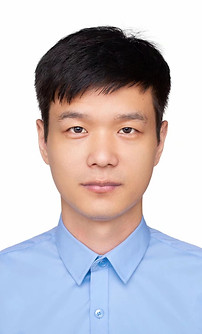
Ph.D. Student
Minchen Huang (He/Him)
University of Alberta
Research Interests: Leisure, domestic migration, and constraints
Leisure Interests: Chinese chess, basketball

Ph.D. Student
Megumi Tokuda (She/Her)
University of Alberta
Research Interests: Leisure constraints in international students
Leisure Interests: Kendo, bouldering

Ph.D. Student
Harley (Hanyue) Zheng (She/Her)
University of Alberta
Research Interests: Leisure and
social clock pressure
Leisure Interests: Frisbee, reading

Master's Student
Teresa Curtis (She/Her)
University of Alberta
Research Interests: Indigenous Allyship in Health Promotion
Leisure Interests: Being outdoors, skiing, social connection

Master's Student
Elizabeth Lizotte (She/Her)
University of Alberta
Research Interests: Cross cultural and non-Western leisure in a long-term care setting
Leisure Interests: Travel, crafting, trying new foods

Master's Student
Janessa Morin (She/Her)
University of Alberta
Research Interests: Leisure and mental health
Leisure Interests: Tabletop games, community events, photography